Ant control that stops the trail at the source.
A line of ants on the counter, winged ants in the spring, or carpenter ants chewing through damp wood. We find the colony, treat what's drawing them in, and keep them from marching back through your kitchen. Serving Williamsport and North-Central Pennsylvania since 1985.
We treat the colony, not just the trail.
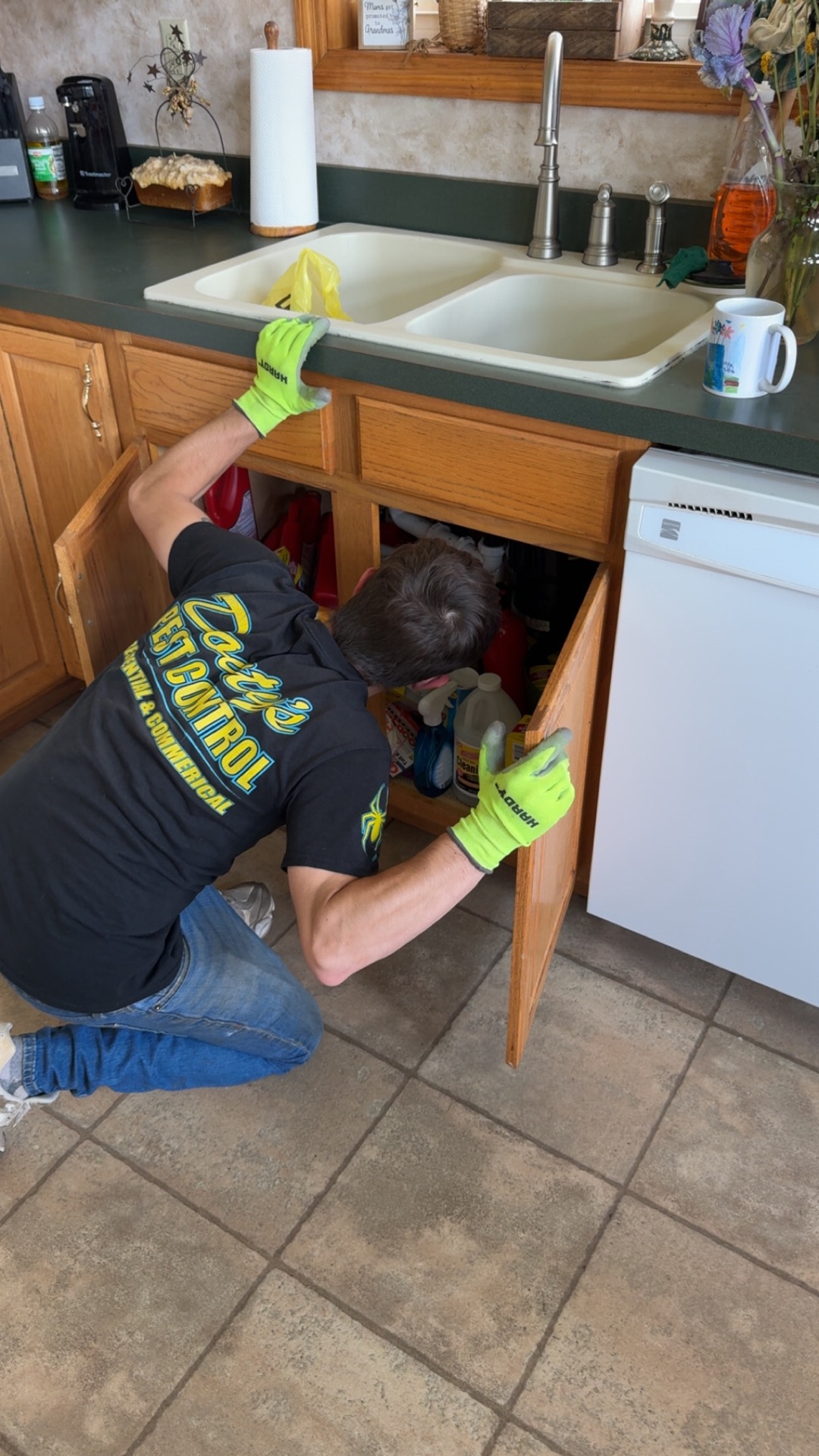
Wiping ants off the counter only resets the clock. The colony is usually outside or tucked in a wall, and carpenter ants can hollow out damp wood while you're busy chasing the ones in the kitchen. We track the source and treat there.
- A straight price before any work begins
- Kitchen ants and carpenter ants handled differently
- Safe around kids and pets when guidelines are followed
How we treat ants.
Find the trail and the nest
We follow where ants are entering, what they're after, and whether you're dealing with a kitchen trail or a carpenter ant colony in wood — so the treatment matches the pest.
Targeted treatment
Baits, perimeter work, and spot treatments aimed at the colony, not just the ants you can see. We explain any prep and precautions before we start.
Keep them from coming back
We tell you what attracts them, what to clean up, and whether a follow-up visit makes sense — with a straight price up front.
Everything you never wanted to know about ants.
Tiny trails on the counter, or bigger ants that damage wood. Here's how to tell what you're dealing with and what to watch for.
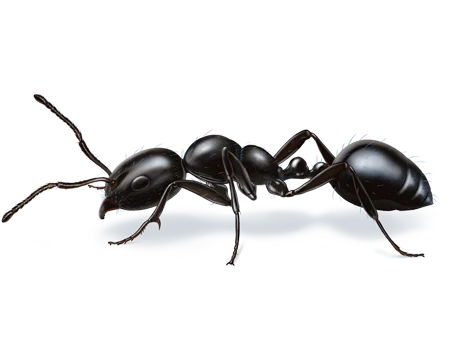
Most household ants are small and dark, traveling in trails toward food or water. Carpenter ants are larger — often black or red-and-black — and nest in damp or damaged wood rather than eating it like termites.
- Size
- 1/16 to 1/2 inch (species vary)
- Legs
- 6
- Wings
- Reproductive "swarmers" only
- Bites
- Rare — some species can pinch
- Color
- Black, brown, or reddish
- Carry disease
- Can contaminate food surfaces
- Damage property
- Carpenter ants can damage wood
- Most active
- Spring through fall
That trail leads somewhere. Here's what else matters.
The ants you see are workers
Worker ants leave the nest to find food and water, then lay a scent trail for the rest of the colony. Killing the ones on the counter doesn't stop the nest that sent them.
Carpenter ants and kitchen ants are different jobs
Sugar ants and pavement ants chase crumbs and moisture. Carpenter ants excavate damp wood for nests — window frames, porches, and wet framing — and need a wood-focused approach.
Winged ants are a warning sign
Swarmers (winged reproductives) often mean a mature colony nearby. They're easy to confuse with termite swarmers, so a clear ID matters before you treat.
Moisture and food keep them coming
Leaky pipes, pet bowls, sticky counters, and gaps around doors all pull ants inside. Treatment works best when the attractants get cleaned up too.
Pennsylvania sees plenty of both
From pavement ants around foundations to carpenter ants in older and wooded homes across Williamsport and North-Central PA, ants are one of the most common calls we get.
Baits beat random spraying
Workers need to carry treatment back to the colony. Broadcast spraying the trail can scatter them and make the problem harder. Targeted baits and nest work are usually smarter.
Easy to confuse with termite swarmers
Winged ants and winged termites show up around the same time of year. Termites have straight antennae and equal-length wings; ants have elbowed antennae and a pinched waist. A photo or inspection settles it — and the treatment is completely different.
Signs you may have ants.
Trails on counters or floors
A steady line of ants between an entry point and food, water, or pet bowls.
Winged ants indoors
Swarmers near windows, lights, or damp wood — often in spring — can mean a colony is established nearby.
Sawdust-like frass
Piles of coarse wood shavings under sills, porches, or hollow trim can point to carpenter ants.
Rustling in walls or wood
Faint movement or soft rustling in damp framing, especially at night, when carpenter ants are active.
Careful treatment. Real respect for your space.
Ant work often means kitchens, baseboards, and the edges of rooms you use every day. Our technicians show up ready for that: shoe covers on, focused on trails and entry points, and clear about what we're doing before we start.
- Shoe covers and careful indoor work
- Treatments aimed at trails and nests, not a blanket spray
- A local tech you can talk to on site
Towns we cover
Same (570) 494-1467 number for Williamsport and the North-Central towns on the route.
Need residential pest control or a commercial program?
Related: Termites · Spiders · All pests we treat
Questions we hear a lot.
We inspect first to identify the species and find where they're nesting or entering. Then we use targeted baits and treatments aimed at the colony, and we'll tell you what prep helps before we start.
Yes. Carpenter ants nest in wood, so we look for moisture damage and treat the nest sites — not just the kitchen trail. After we inspect, you get a clear plan and price.
Store-bought sprays often kill the workers you see and leave the colony intact — sometimes making trails harder to follow. Treating the nest and removing what attracts them is what actually stops the cycle.
Our licensed PA technicians use targeted treatments and will walk you through any precautions for your home before we begin.
Often, yes. Send a clear photo through the quote form and a real person will help identify what you're seeing and whether it looks like a carpenter ant problem.
Ready to stop the ant trail?
Call the Williamsport office and describe what you're seeing. Free estimate, no pressure.