Spider control for Pennsylvania homes and businesses.
Webs in the corners, spiders in the basement, or more sightings than usual this fall. We identify what you're seeing, treat the areas they use, and address the insects that draw them in. Serving Williamsport and North-Central Pennsylvania since 1985.
We treat the cause, not just the webs.
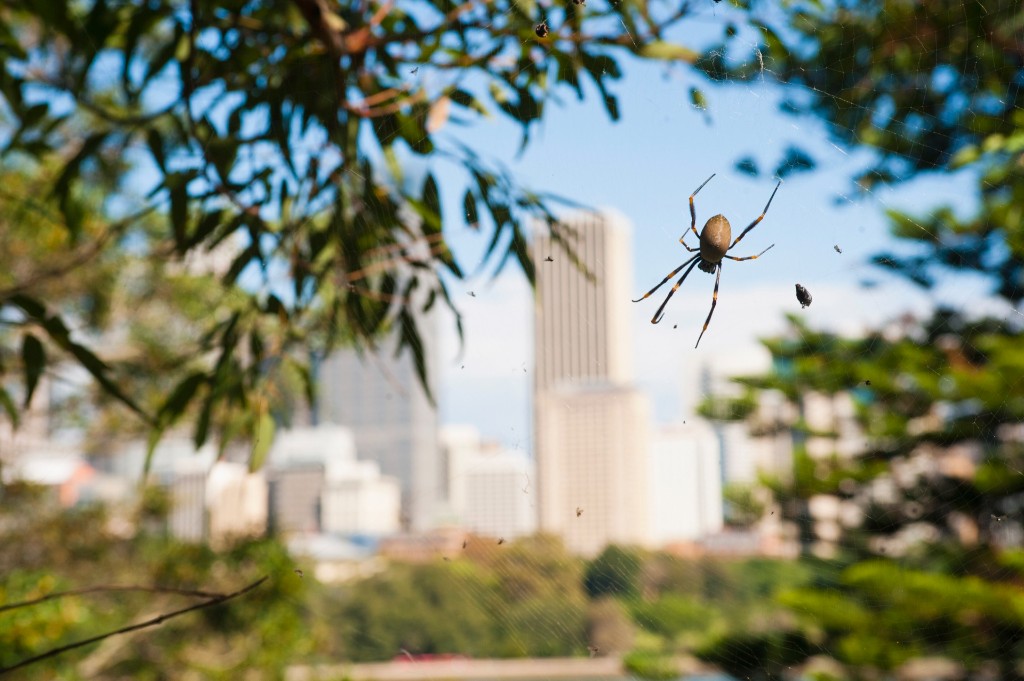
Knocking down webs only helps until the spider rebuilds. Spiders settle in because something is feeding them — usually other insects. We treat the areas spiders use, remove webs and egg sacs, and reduce the prey that keeps them around.
- A straight price before any work begins
- Web removal plus treatment, not one or the other
- Safe around kids and pets when guidelines are followed
How we treat spiders.
Inspection and identification
We look at where spiders are showing up — basements, garages, eaves, and corners — and identify the species, since a wolf spider and a cellar spider call for different attention.
Targeted treatment
We remove webs and egg sacs, treat cracks, crevices, and entry points, and work the exterior perimeter where spiders come in. Any prep and precautions are explained before we start.
Address what attracts them
Spiders stay where there's food. If other insects are drawing them in, we treat that too, and tell you what to expect — with a straight price up front.
What to know about spiders.
Most spiders in Pennsylvania are harmless, but a house full of them still isn't pleasant. Here's how to tell what you're seeing and when it matters.
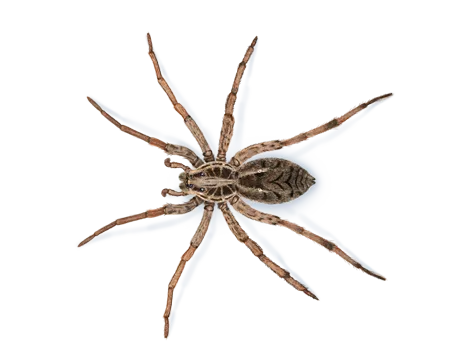
Common Pennsylvania spiders include house spiders and cellar spiders that build webs in corners, and wolf spiders — larger, hairy hunters that roam floors instead of building webs. Eight legs and no antennae separate spiders from insects at a glance.
- Size
- 1/8 inch to over 1 inch (species vary)
- Legs
- 8
- Wings
- No
- Bites
- Rare — most avoid people
- Color
- Brown, gray, or black; some patterned
- Carry disease
- No
- Damage property
- No — webs are the main nuisance
- Most active
- Late summer & fall
A closer look at spiders.
Most PA spiders are harmless
The spiders you'll see in Pennsylvania homes — house spiders, cellar spiders, wolf spiders — rarely bite and aren't dangerous. They're a nuisance and a sign of other activity, not a health threat.
Spiders follow their food
A home with a lot of spiders usually has a supply of other insects. Treating the prey — flies, gnats, and crawling insects — is often the most effective part of spider control.
Dangerous species are rare here
Black widows turn up occasionally in undisturbed areas like woodpiles and sheds. Brown recluses are not established in Pennsylvania, despite how often they get blamed for bites.
Web builders and hunters behave differently
Cellar and house spiders stay near their webs in corners and ceilings. Wolf spiders hunt on foot, which is why you'll spot one crossing the basement floor rather than sitting in a web.
Fall brings them indoors and into view
Late summer and fall are mating season, and cooling weather pushes insects — and the spiders that eat them — toward the house. Most spider calls come in during these months.
Egg sacs multiply the problem
One overlooked egg sac can hold dozens to hundreds of spiderlings. Removing sacs during treatment matters as much as treating the adults.
Wolf spiders are often mistaken for brown recluses
Wolf spiders are common in PA basements and get misidentified constantly. Brown recluses have a distinct violin-shaped marking and are not established in Pennsylvania. A photo or inspection will tell you what you actually have.
Signs of a spider problem.
Webs in corners and ceilings
Webs that keep coming back in basements, garages, window frames, and room corners — especially where insects gather.
Frequent sightings indoors
Regularly seeing spiders on floors and walls, particularly in fall, points to an established population rather than the occasional wanderer.
Egg sacs
Small white or tan silk bundles attached to webs, ceilings, or tucked into corners and stored boxes.
Other insect activity
Flies, gnats, or crawling insects in the same areas. Where the prey is, the spiders follow.
Careful treatment. Real respect for your space.
Spider work covers basements, garages, closets, and the corners of rooms you use every day. Our technicians show up ready for that: shoe covers on, focused on the areas spiders actually use, and clear about what we're doing before we start.
- Shoe covers and careful indoor work
- Treatments aimed at harborage and entry points
- A local tech you can talk to on site
Towns we cover
Same (570) 494-1467 number for Williamsport and the North-Central towns on the route.
Need residential pest control or a commercial program?
Related: Ants · Bees, Hornets & Wasps · All pests we treat
Questions we hear a lot.
We inspect first to identify the species and find where they're living and entering. Then we remove webs and egg sacs, treat cracks, entry points, and the perimeter, and address the insects attracting them. You get a clear plan and price before we start.
Almost always no. The species common in Pennsylvania homes rarely bite and aren't medically significant. Black widows occasionally turn up in sheds and woodpiles; brown recluses are not established here.
Late summer and fall are mating season, so spiders are more active and visible. Cooling weather also pushes insects indoors, and spiders follow the food.
Our licensed PA technicians use targeted treatments and will walk you through any precautions for your home before we begin.
Usually, yes. Send a clear photo through the quote form and a real person will tell you what it is and whether it's anything to worry about.
Ready to get rid of spiders?
Call the Williamsport office and describe what you're seeing. Free estimate, no pressure.