
Rodent control that shuts the door on mice and rats.
Droppings in the drawer, scratching in the walls at night, or a chewed bag of flour in the pantry. We find how they're getting in, remove the ones already inside, and help keep the next ones out. Serving Williamsport and North-Central Pennsylvania since 1985.
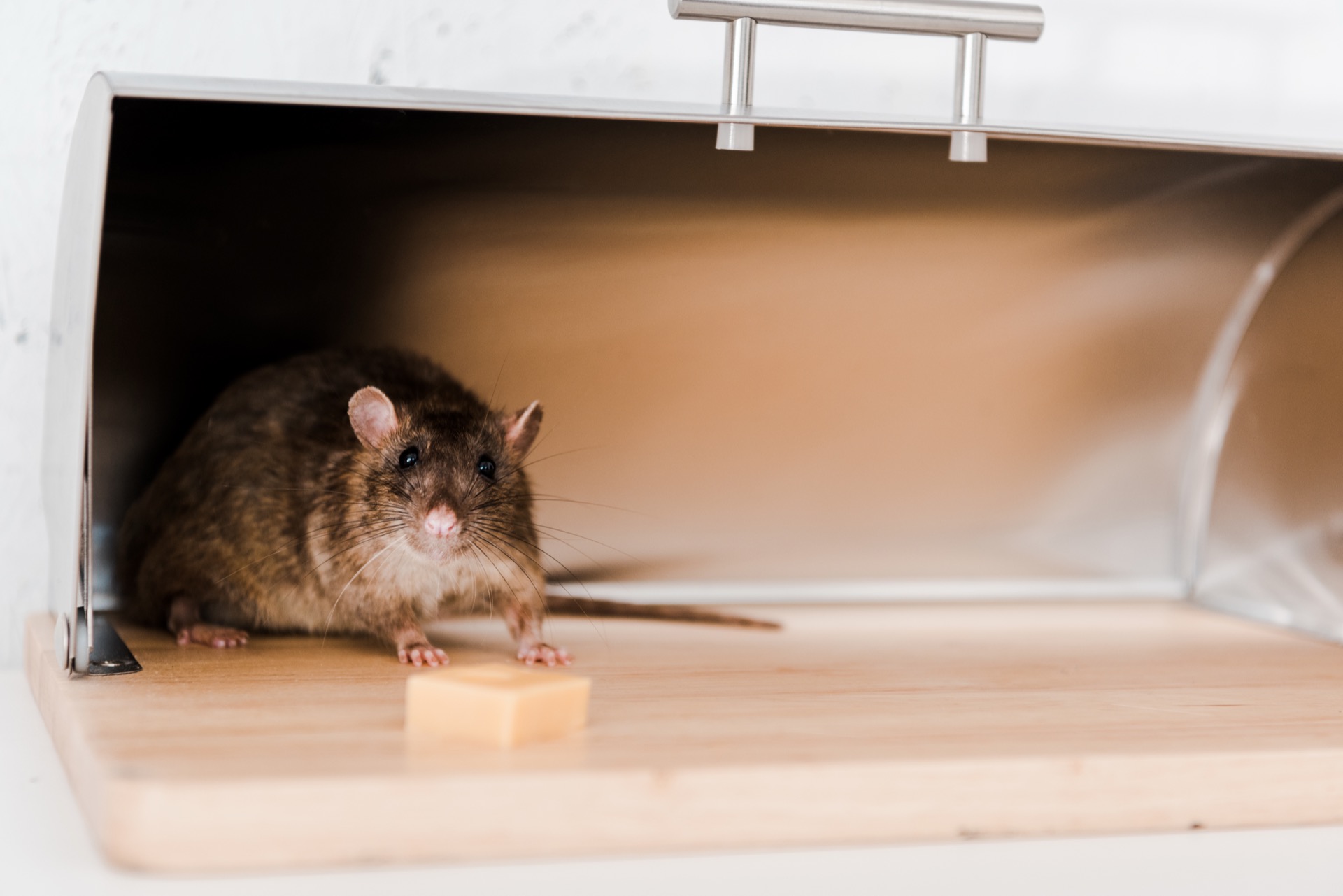
We identify the entry points, not just catch the mouse.
Catching one mouse doesn't fix the dime-sized gap it squeezed through. Rodents follow walls, pipes, and scent trails left by the ones before them. We remove what's inside, find where they're entering, and give you a clear plan so the traffic stops.
- A straight price before any work begins
- Mice and rats handled differently
- Safe around kids and pets when guidelines are followed
How we treat rodents.
Find how they're getting in
We inspect for droppings, gnaw marks, runways, and entry points — gaps around pipes, foundations, and garage doors — so we know whether you have mice, rats, and where they're moving.
Targeted removal
Traps and baits placed along the routes rodents actually use, not scattered at random. We explain placement and any precautions for kids and pets before we start.
Keep them from coming back
We show you the entry points we found and what to seal, store, or clean up so the next mouse doesn't follow the same path in — with a straight price up front.
Everything you never wanted to know about rodents.
Quick, quiet, and hard on your wiring and pantry. Here's how to tell mice from rats and what to watch for in Pennsylvania homes.
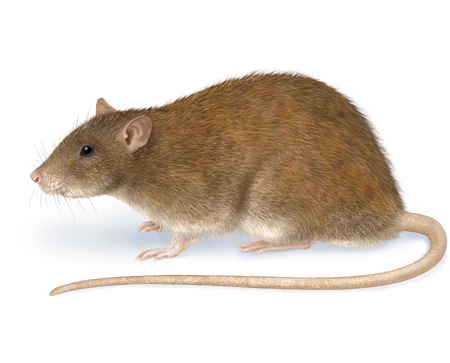
House mice are small and gray with big ears and a thin tail. Norway rats are much larger and stockier with a blunt snout and shorter, thick tail. Both move along walls at night, so you'll often see droppings and gnaw marks before the animal itself.
- Size
- Mice 2–4 inches; rats 7–9 inches (plus tail)
- Legs
- 4
- Wings
- No
- Bites
- Rare — they avoid people
- Color
- Gray, brown, or black
- Carry disease
- Yes — via droppings and urine
- Damage property
- Yes — gnawed wiring, wood, insulation
- Most active
- Fall & winter (moving indoors)
They chew more than your pantry. Here's what else matters.
Their teeth never stop growing
Rodents gnaw constantly to keep their teeth worn down — on wood, plastic, pipes, and electrical wiring. Chewed wires in walls and attics are a real fire risk, not just a nuisance.
They fit through tiny gaps
A mouse can squeeze through a hole the size of a dime; a rat needs about a quarter. Gaps around pipes, vents, foundations, and garage door seals are the usual doors in.
They breed fast
A single female house mouse can produce dozens of pups a year. What starts as one mouse in October can be a full infestation by spring if nothing changes.
They contaminate more than they eat
Rodents nibble, but the bigger problem is droppings, urine, and hair left across counters, drawers, and stored food. That's how disease and contamination spread.
Pennsylvania winters push them indoors
When temperatures drop across Williamsport and North-Central PA, mice and rats follow warmth and food inside. Fall is when most rodent calls start.
Traps alone don't fix the problem
Catching rodents without identifying entry points just makes room for the next ones. Removal plus exclusion is what actually stops the cycle.
Easy to confuse with squirrels or chipmunks
Daytime noise in the attic often means squirrels; nighttime scratching lower in the walls points to mice or rats. Droppings help too — mouse droppings are rice-sized, rat droppings are raisin-sized. A photo or inspection settles it.
Signs you may have rodents.
Droppings
Small dark pellets in drawers, cabinets, under sinks, or along baseboards — rice-sized for mice, raisin-sized for rats.
Scratching at night
Scurrying or gnawing sounds in walls, ceilings, or under floors after dark, when rodents are most active.
Gnaw marks and chewed packaging
Chewed corners on food boxes and bags, gnawed wood or plastic, or tooth marks on wiring and pipes.
Nests and musky odor
Shredded paper, fabric, or insulation tucked in hidden corners, and a stale ammonia-like smell where activity is heavy.
Careful treatment. Real respect for your space.
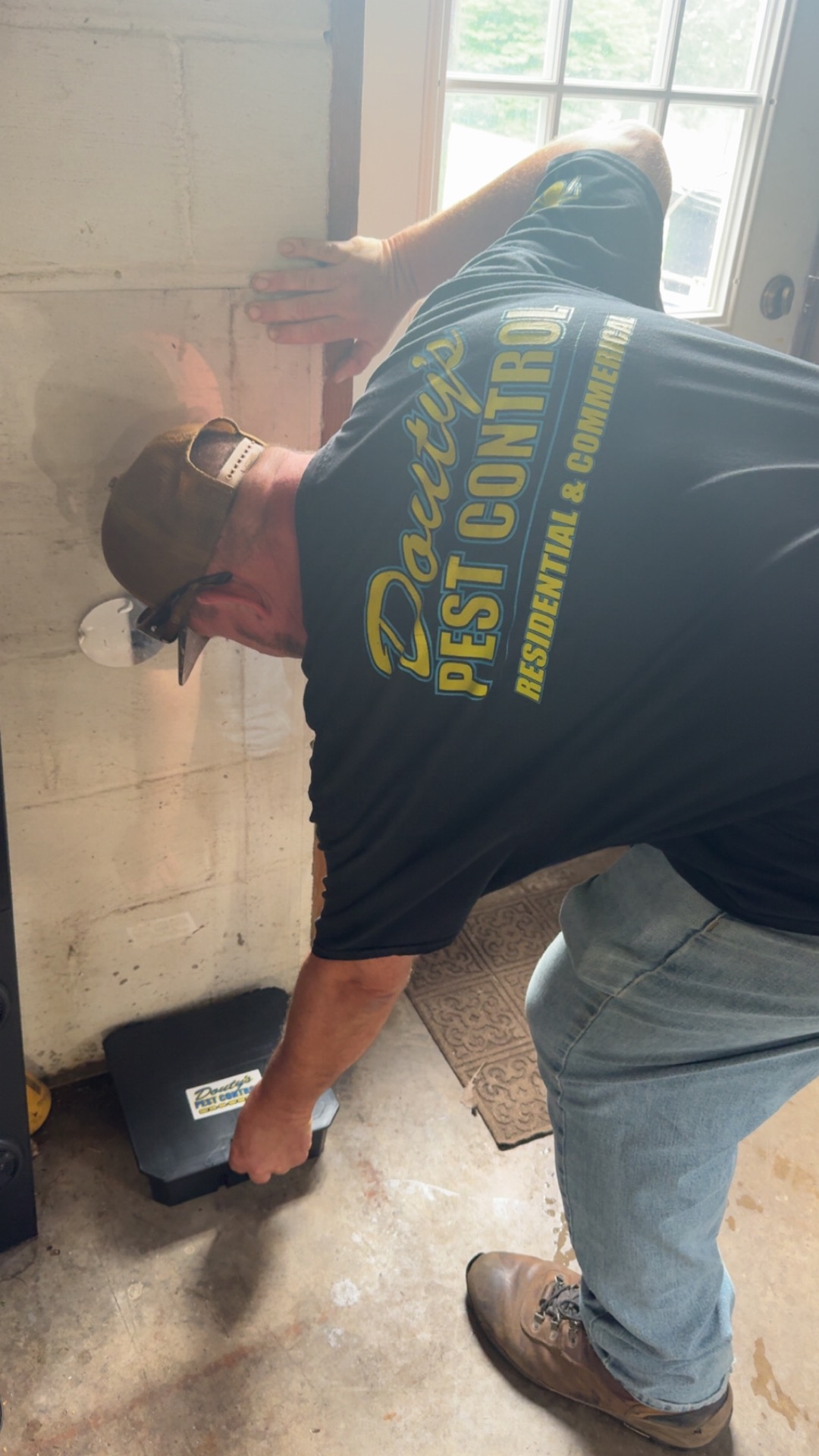
Rodent work means kitchens, basements, attics, and the corners of rooms you use every day. Our technicians show up ready for that: shoe covers on, placements explained, and clear about what we're doing before we start.
- Shoe covers and careful indoor work
- Traps and baits placed where rodents travel, out of reach of kids and pets
- A local tech you can talk to on site
Towns we cover
Same (570) 494-1467 number for Williamsport and the North-Central towns on the route.
Need residential pest control or a commercial program?
Related: Ants · Termites · All pests we treat
Questions we hear a lot.
We inspect first to confirm whether it's mice or rats and find where they're getting in. Then we place traps and baits along the routes they use, and show you the entry points to seal. You get a clear plan and price before we start.
Droppings are the quickest tell — mouse droppings are about the size of a grain of rice, rat droppings closer to a raisin. The treatment differs, so a clear ID matters. Send a photo through the quote form and we'll help.
Rodents are most active after dark. Scratching or scurrying in walls and ceilings at night is a classic sign of mice or rats moving between nesting spots and food.
Our licensed PA technicians place traps and baits out of reach and will walk you through any precautions for your home before we begin.
Not if the entry points get identified and sealed. We show you every gap we find and what to seal, so removal actually sticks instead of turning into a revolving door.
Ready to get rodents out?
Call the Williamsport office and describe what you're seeing. Free estimate, no pressure.