Termite treatment that protects the wood holding your house up.
Mud tubes on the foundation, discarded wings by a windowsill, or wood that sounds hollow when you tap it. We inspect, identify the species, and treat so subterranean termites stop eating through your home. Serving Williamsport and North-Central Pennsylvania since 1985.
We treat the colony, not just the swarm.
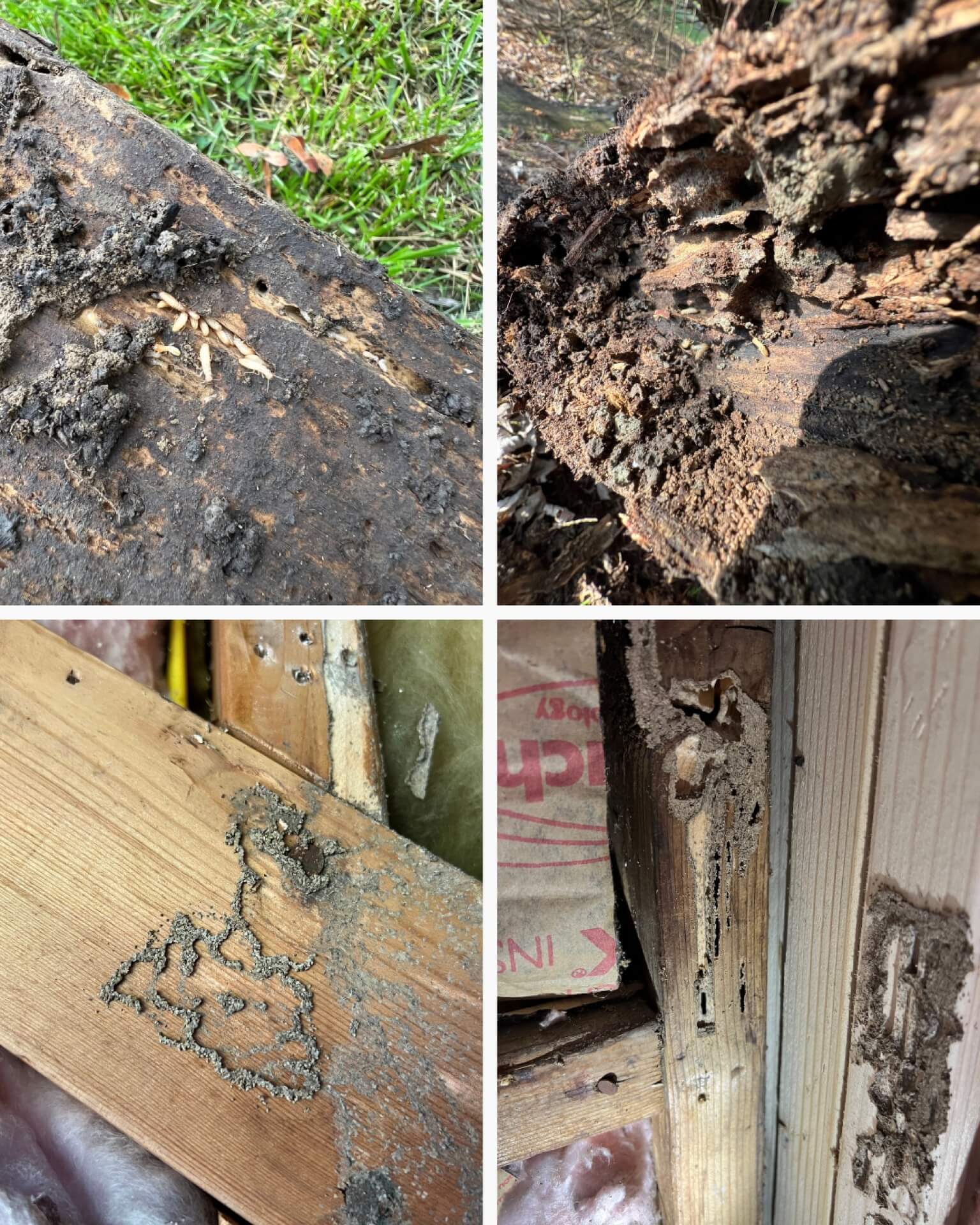
Termites feed on wood from the inside out. By the time you see swarmers or mud tubes, a colony may already be established. We find the activity, treat the source, and give you a clear next step so the damage doesn't keep growing.
- A straight price before any work begins
- Subterranean termites are the big PA concern
- Safe around kids and pets when guidelines are followed
How we treat termites.
A careful inspection
We check foundations, crawl spaces, mud tubes, and wood for signs of activity so we know how far the problem has spread before we treat.
Targeted termite treatment
Treatments aimed at the colony and the paths they use to reach your wood — not a guess-and-spray approach. We walk you through the plan and price before we start.
Follow-up when needed
Termites work quietly and colonies can be stubborn. We tell you what to expect up front and come back if the problem needs another visit.
Everything you never wanted to know about termites.
Quiet, persistent, and expensive if you wait. Here's what subterranean termites look like and what to watch for in Pennsylvania homes.
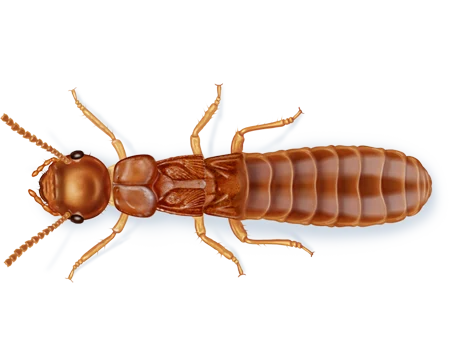
Worker termites are soft-bodied and cream-colored. Swarmers are darker with two pairs of equal-length wings. Unlike ants, termites have straight antennae and a thick waist — a key ID when winged insects show up in spring.
- Size
- About 1/8 to 3/8 inch (workers)
- Legs
- 6
- Wings
- Swarmers only — equal-length wings
- Bites
- No — they eat wood, not people
- Color
- Cream to light brown (workers)
- Carry disease
- No
- Damage property
- Yes — structural wood damage
- Most active
- Spring & summer (swarm season)
They eat the house from the inside. Here's what else matters.
Subterranean termites are Pennsylvania's main threat
They nest in soil and build mud tubes to reach wood. Drywood termites are less common here; most local calls are subterranean colonies working under and into the structure.
Colonies can run for years unnoticed
Workers feed out of sight. Damage often shows up late — hollow-sounding wood, sticking doors, or a sudden spring swarm — so an inspection beats waiting for a bigger repair bill.
Mud tubes are a giveaway
Pencil-wide tunnels of soil along foundations, piers, or walls protect termites as they travel between the nest and your wood. Finding tubes usually means active foraging.
Swarmers mean a mature colony nearby
Winged reproductives leave the nest to start new colonies, often after warm spring rains. Shed wings on sills are a classic sign even after the swarm is gone.
Moisture makes wood easier to hit
Leaky pipes, poor drainage, and wood touching soil create the damp conditions subterranean termites favor. Fixing moisture helps treatment stick.
They're not carpenter ants
Carpenter ants excavate damp wood for nests; termites eat the cellulose. The damage and the treatment are different — a clear ID keeps you from the wrong approach.
Easy to confuse with winged ants
Spring swarmers get mixed up constantly. Termites have straight antennae, a thick waist, and equal-length wings. Ants have elbowed antennae, a pinched waist, and uneven wings. A photo or inspection settles it.
Signs you may have termites.
Mud tubes
Narrow soil tunnels on foundations, crawl-space piers, or exterior walls where termites travel between soil and wood.
Discarded wings
Piles of equal-length wings near windows, doors, or light fixtures after a spring swarm.
Hollow or damaged wood
Wood that sounds hollow when tapped, blistered paint, or framing that feels soft or papery inside.
Doors and windows that stick
Frames that suddenly won't open or close right can mean wood has been weakened or warped by feeding.
Careful treatment. Real respect for your space.
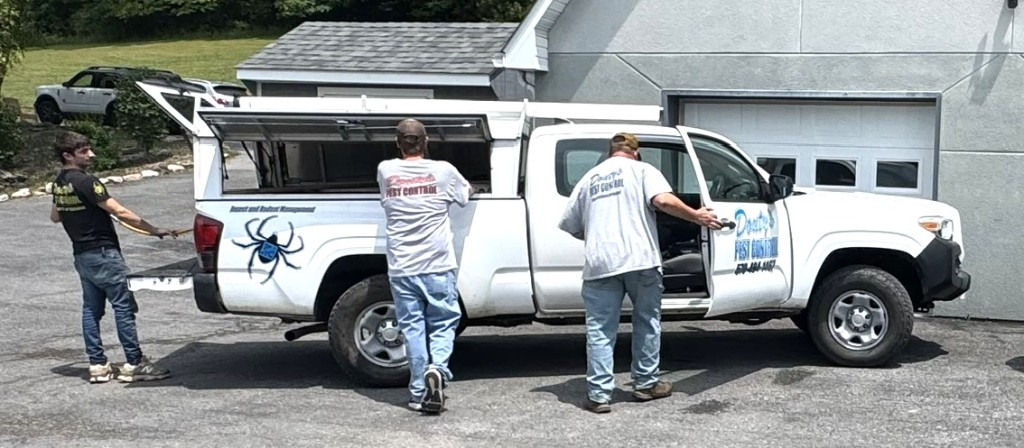
Termite work often means foundations, crawl spaces, and the edges of rooms you use every day. Our technicians show up ready for that: protective gear when it's needed, focused on the spots termites actually use, and clear about what we're doing before we start.
- Careful indoor and foundation work
- Treatments aimed at colonies and travel paths
- A local tech you can talk to on site
Towns we cover
Same (570) 494-1467 number for Williamsport and the North-Central towns on the route.
Need residential pest control or a commercial program?
Related: Ants · Rodents · All pests we treat
Questions we hear a lot.
We inspect first to confirm termites and find where they're active. Then we apply targeted treatments aimed at the colony and the paths they use to reach your wood. You get a clear plan and price before we start.
Mud tubes, discarded wings, hollow-sounding wood, and spring swarmers are common signs — but termites often work out of sight. If you're unsure, send a photo or call for an inspection.
No. Termites feed on wood and cellulose, not people or pets. The risk is structural damage, not bites.
Our licensed PA technicians use targeted treatments and will walk you through any precautions for your home before we begin.
Often people mix them up. Winged ants and winged termites look similar at a glance. Send a clear photo through the quote form and we'll help ID what you're seeing. See also carpenter ant control.
Ready to protect your wood?
Call the Williamsport office and describe what you're seeing. Free estimate, no pressure.